Book Introduction
With recommendations from researchers working at the forefront of quantum science in universities and companies, we have selected books suited to different age groups, including middle and high school students.
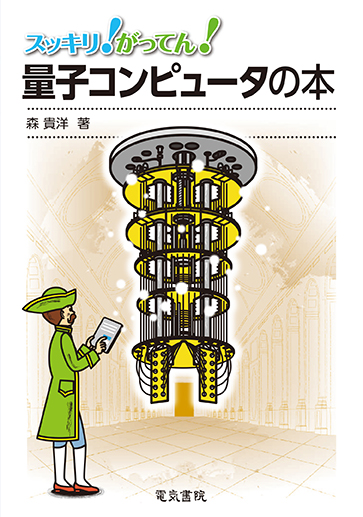
A Book on Quantum Computers (Clear and Convincing!)
- Junior High
Publisher : Denkishoin
Recommender : Yosuke Mukasa, Representative Director, Quanmatic Inc.
Quantum computers are a next-generation computing technology that opens up new possibilities for problems that are difficult to solve with conventional methods. This introductory book, written by a researcher in quantum technology at the National Institute of Advanced Industrial Science and Technology, carefully explains the ideas from fundamentals to implementation. It uses many diagrams and concrete examples so that readers can keep going even without specialized knowledge of mathematics or physics. The book is structured so readers can naturally understand what quantum means and why its future applications are so highly anticipated.
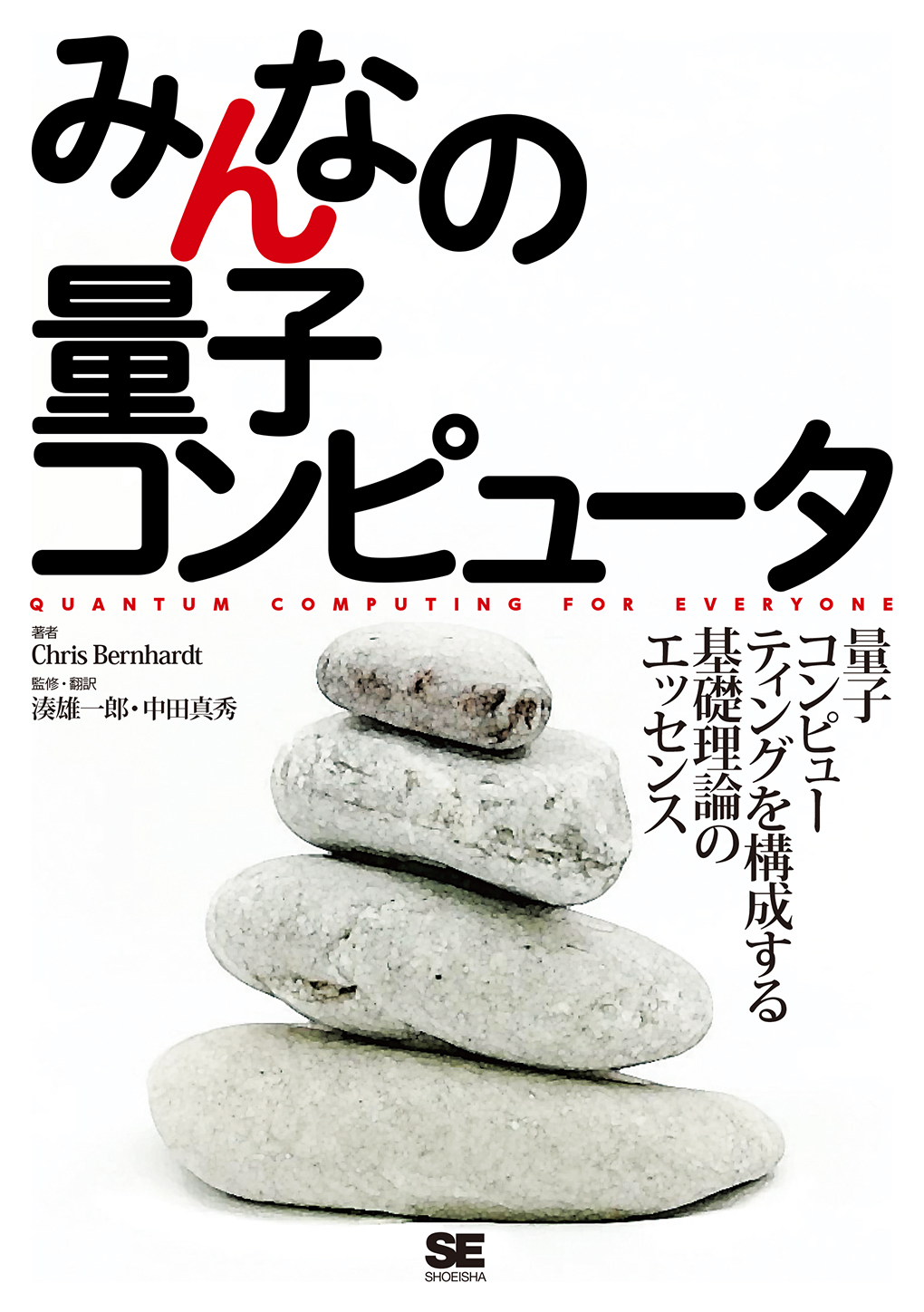
Quantum Computing for Everyone
- High School
Publisher : Shoeisha
Recommender : Yosuke Mukasa, Representative Director, Quanmatic Inc.
This is the Japanese edition of a highly regarded introductory book on quantum computing from overseas. Starting from high-school-level mathematics, it is designed so readers can gradually build an understanding of the basic ideas of quantum computation. Its strength is the way it explains key concepts such as qubits, quantum gates, and superposition without leaning too heavily on formulas, instead emphasizing the flow of ideas. For high school students who want to understand how quantum computers differ from conventional computing, it provides a solid foundation for later study of quantum information and physics at university.
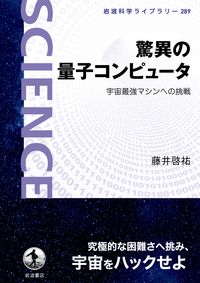
The Amazing Quantum Computer: The Challenge Toward the Ultimate Machine in the Universe
- High School
- University & Professionals
Publisher : Iwanami Shoten
Recommender : Makoto Negoro, Professor and Vice Director, Center for Quantum Information and Quantum Biology, Osaka University, and others
This is the first book I would recommend to anyone curious about quantum computers. There is a lot of inaccurate information about quantum computers out there, but this book brings together reliable information from one of Japan's leading experts in quantum computer theory. It is written as an accessible read with very few formulas, making it a great starting point before moving on to more specialized books.
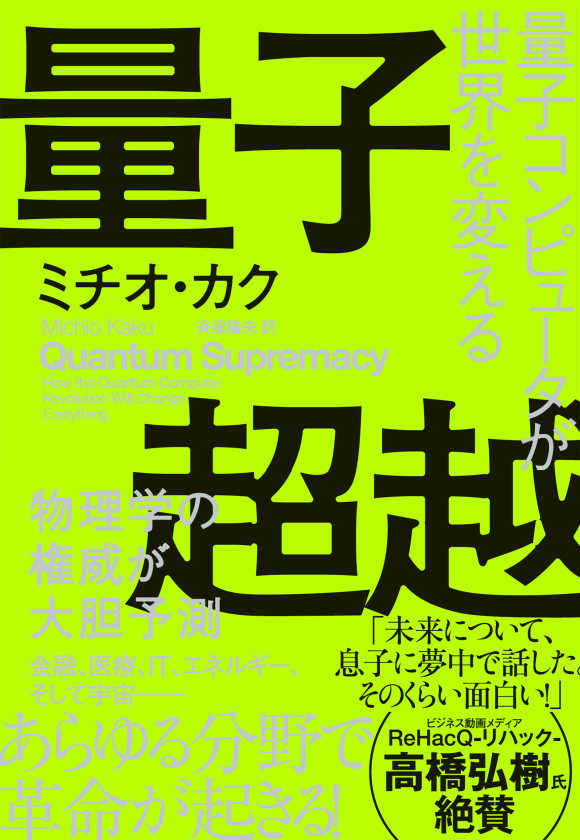
Quantum Supremacy
- High School
- University & Professionals
Publisher : NHK Publishing
Recommender : Masayoshi Terabe, Quantum Technology Lead, Deloitte Tohmatsu
In this book, renowned physicist Michio Kaku describes the exciting future world that quantum computers may bring about. It explores science-fiction-level transformations that quantum computers could drive in fields such as energy, healthcare, and space.
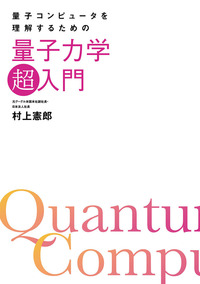
A Super-Introductory Guide to Quantum Mechanics for Understanding Quantum Computers
- High School
- University & Professionals
Publisher : Goku Publishing
Recommender : Masayoshi Terabe, Quantum Technology Lead, Deloitte Tohmatsu
This book explains the Schrodinger equation, a foundation of quantum computers, in an approachable way. Although the Schrodinger equation is essential for understanding quantum computers, it is also famous for being so difficult that many people give up on it. This book presents it clearly enough for readers with high-school-level mathematics. It is best enjoyed with paper and pencil in hand.
Introductory Lectures on Quantum Computers

- University & Professionals
Publisher : Kodansha
Recommender : Yosuke Mukasa, Representative Director, Quanmatic Inc.
This introductory book offers a systematic, lecture-style way to learn the basic principles and ideas behind quantum computers. It carefully explains foundational concepts such as qubits, quantum gates, and quantum circuits, helping students who are beginning to study physics or information science build a base for more specialized learning later. It is well suited to readers at around the first-year university level who want to grasp the overall picture of quantum technology.
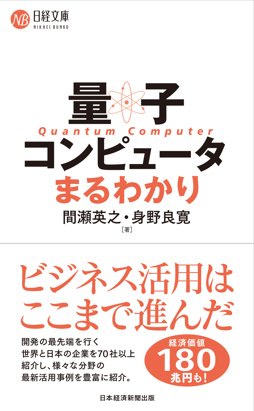
Understanding Quantum Computers at a Glance
- University & Professionals
Publisher : Nikkei BP / Nikkei Publishing
Recommender : IBM Japan Quantum Team
Although the title may look like it is aimed at students, this is an excellent book for working professionals who want to quickly grasp the global landscape of quantum computing. It covers not only the basic concepts, various hardware approaches, and major algorithms, but also major companies and startups around the world, national quantum strategies, application cases under consideration by global companies, conferences, and future roadmaps. Remarkably, it manages to cover all of this in a compact and readable way.
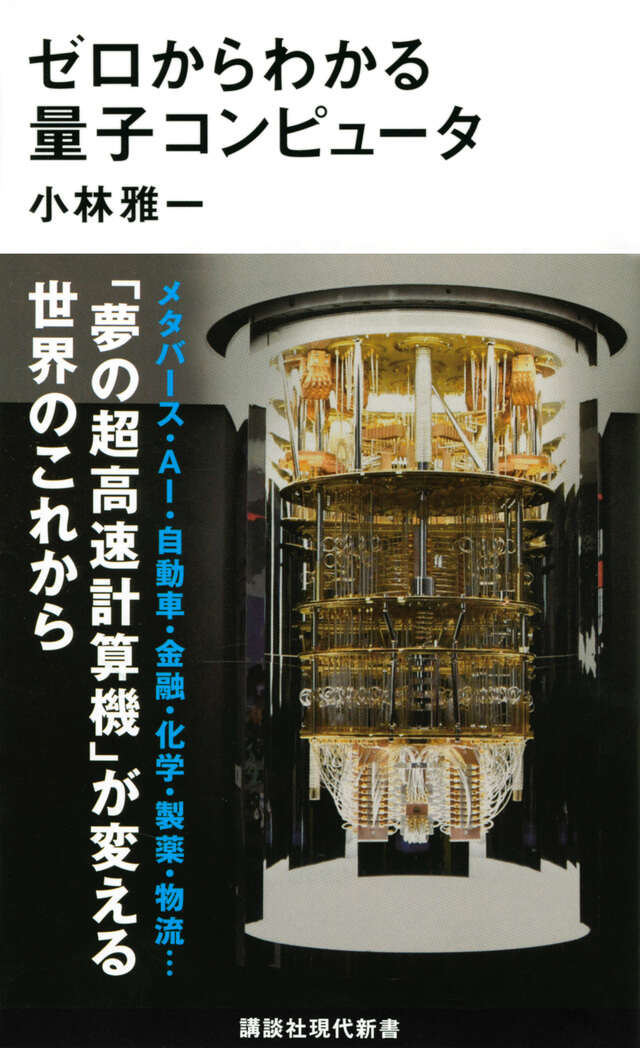
Quantum Computers from Zero
- University & Professionals
Publisher : Kodansha
Recommender : IBM Japan Quantum Team
Many people are interested in quantum computers but feel blocked by the barriers of physics and mathematics. This book focuses less on strict physical or mathematical accuracy and more on explaining the concepts of quantum computers clearly, offering a compact overview of their principles and real-world applications in a small, accessible format. Rather than diving deeply into technical topics such as algorithms, it is especially recommended for readers who want to understand how quantum computers are discussed in the news and in business contexts.
Quantum Computation and Quantum Information (Quantum Computers and Quantum Communication)
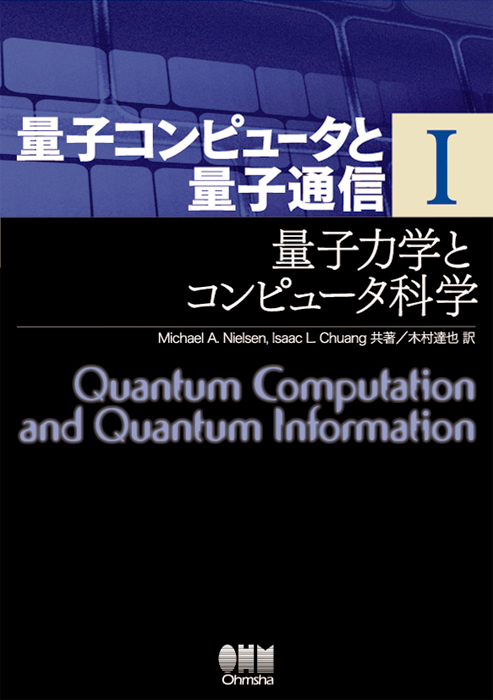
- University & Professionals
Publisher : Ohmsha
Recommender : Ikko Hamamura, Quantum Algorithm Engineer, Enterprise Products, NVIDIA, and others
Known as the bible of quantum computation and quantum information, this classic has remained influential for more than 25 years. Beginning with the foundations of quantum mechanics and computer science, it goes on to cover famous quantum algorithms, the physical implementation of quantum computers, error correction, and the theory of quantum information. Its breadth and systematic organization remain unmatched. Because it provides a consistent path from fundamentals to applications, it is highly recommended for university seminars and study groups for working professionals alike.
Quantum Computer Systems: Research and Development for Noisy Quantum Devices
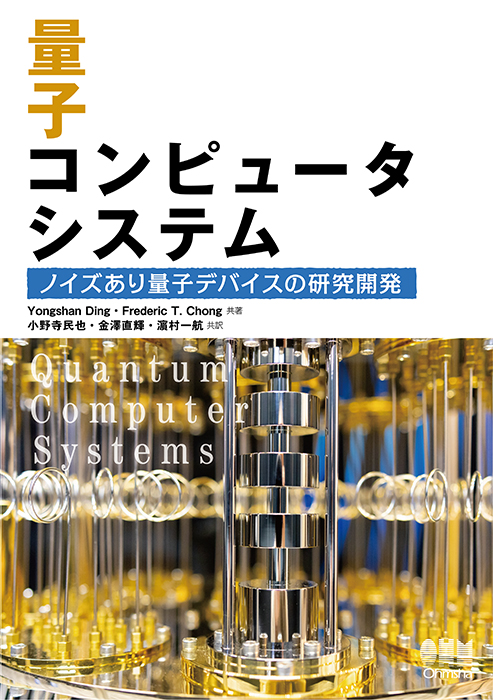
- University & Professionals
Publisher : Ohmsha
Recommender : Ikko Hamamura, Quantum Algorithm Engineer, Enterprise Products, NVIDIA
This is a rare book that covers not only the physical implementation of quantum computers but also the full system-level picture. It focuses on the key issues surrounding today's quantum computers, where the effects of noise cannot be avoided. The topics span a wide range, and each chapter includes abundant references, making it an excellent guide for readers who want to dig more deeply into specific areas. If you want a systematic understanding of quantum computers from the perspective of computer architecture, this is well worth picking up.
Smart from Today Series: A Thoroughly Easy Book on Quantum Computers

- University & Professionals
Publisher : Nikkan Kogyo Shimbun
Recommender : Masao Kondo, Senior Director, Quantum Laboratory, Fujitsu Limited
This book broadly covers topics related to quantum computers, from the history and basics of quantum mechanics to differences from classical computers and the different types of quantum computers. Each topic is presented across a two-page spread, with text on the right and illustrations on the left, making it an easy-to-follow introduction. Because some sections include high-school-level mathematics such as matrices, it is recommended for high school students, university students, and general readers who want a solid overview.
Really Understanding Quantum Computers!

- High School
- University & Professionals
Publisher : Gijutsu-Hyoronsha
Recommender : Shinnosuke Furuya, HPC Developer Relations, Enterprise Division, NVIDIA, and others
This book is ideal for readers who want to understand how quantum computers work. It begins by addressing common misunderstandings about quantum computers, then explains experiments in quantum mechanics, how quantum computation works, why quantum computers can be fast, and how they are actually built. It also offers valuable insight into the atmosphere of real development sites through the perspective of a photonic quantum computer developer, making it especially recommended for readers who want to know how these machines are created in practice.
Quantum Computers as General Knowledge
- Junior High
- High School
- University & Professionals
Publisher : Diamond, Inc.
Recommender : Shinnosuke Furuya, HPC Developer Relations, Enterprise Division, NVIDIA, and others
As an introductory book on quantum computers, this volume starts by explaining quantum theory without formulas, traces the history leading to the birth of quantum computers, and then introduces the latest technological trends, application areas, and future prospects in a way that is easy for beginners to follow. It is especially recommended for readers who want to understand why Japan has such a strong presence in this field, how quantum computing relates to AI, and what quantum computers are particularly good at.
Special Edition: 100 Years of Quantum Mechanics (Newton Special Edition)
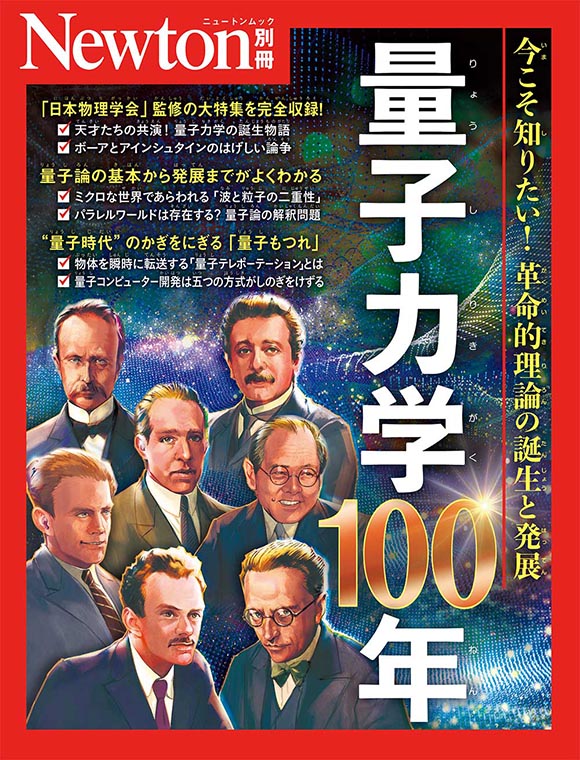
- Junior High
- High School
Publisher : Newton Press
Recommender : So Tanaka, Professor, Department of Applied Physics and Physico-Informatics, Faculty of Science and Technology, Keio University
The year 2025 marked 100 years since the birth of quantum mechanics. Because this book introduces a wide range of quantum phenomena with abundant illustrations, it is an excellent first book for middle school and high school students who want to understand what quantum mechanics is and where it is used.
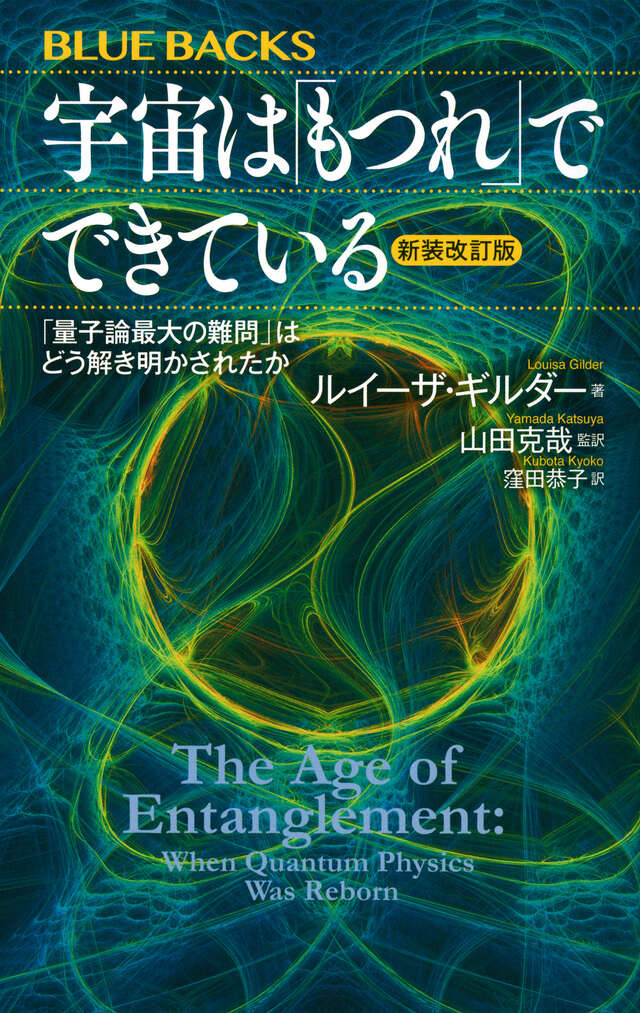
The Universe Is Made of Entanglement
- Junior High
- High School
Publisher : Kodansha
Recommender : Tomoyuki Horikiri, Professor, Graduate School of Engineering, Yokohama National University
This book traces how humanity came to understand quantum entanglement, the essential resource of quantum information, from the early days of quantum mechanics to its modern applications. Because it contains almost no formulas, it does not provide a rigorous technical understanding of quantum information or entanglement, but it does offer an excellent historical overview of the field. One note of caution is that while detailed annotations are available on the web, some conversations and scenes are reconstructed by the author based on participants' recollections.